
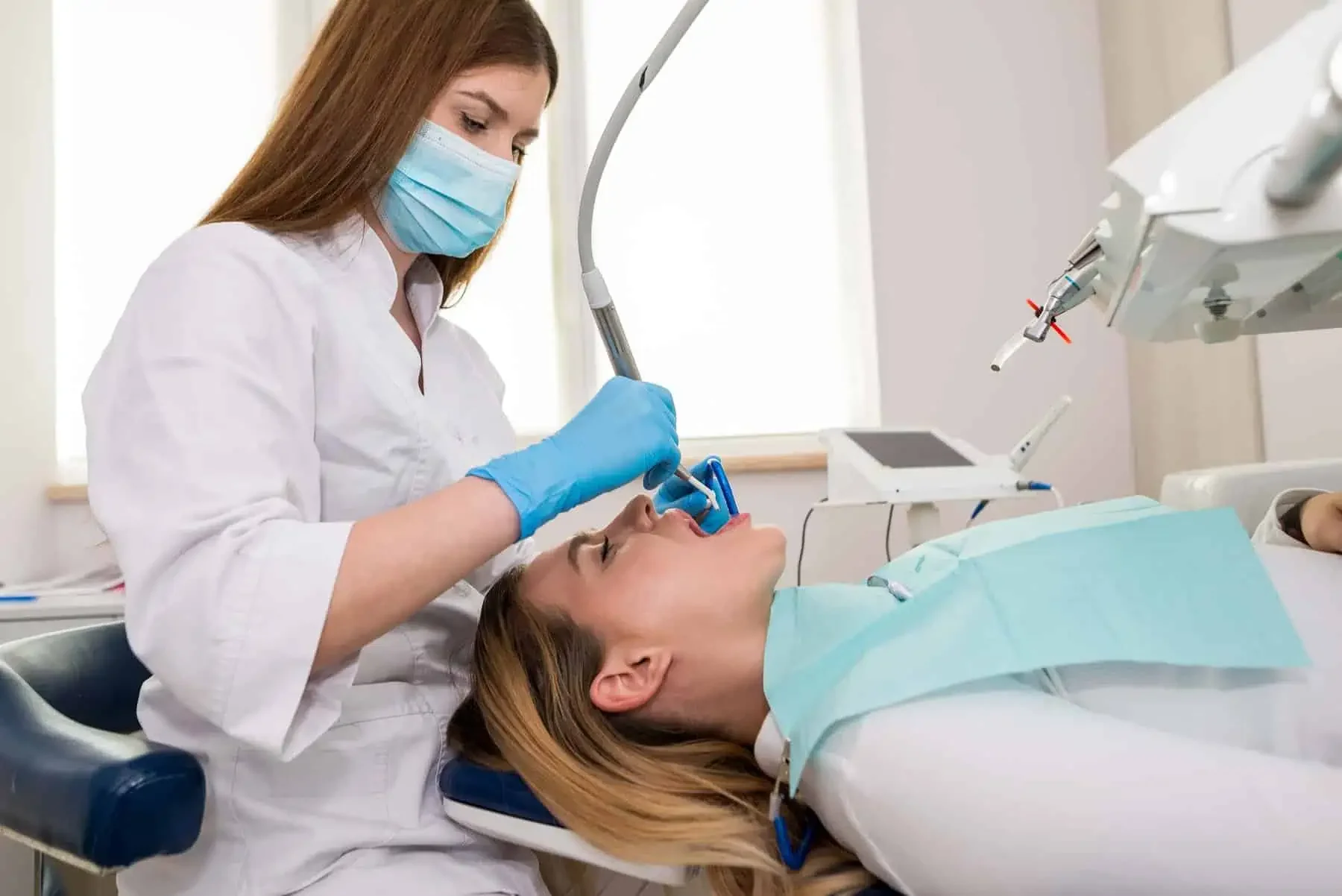
Gentle Periodontal Therapy for Healthier Gums in Crescent, OK
Gum disease is one of the most common dental conditions in adults, and it often moves quietly. There may be no pain, no obvious warning, and by the time something feels wrong, real damage has already been done. If you have been putting off a visit because you are worried about what you might hear, or because you feel embarrassed about how long it has been, please know: there is no judgment here. Pinnacle Dental offers periodontal therapy in Crescent, OK for patients at every stage, including those who have been avoiding the dentist for years. Most major PPO plans are accepted, and Children's Medicaid is welcome.
Why Gum Health Is the Foundation of Your Overall Health

Healthy gums are not just about your smile. Research has found links between gum disease and conditions like heart disease, diabetes, and stroke. The connection makes sense: bleeding gum tissue creates an opening directly into the bloodstream, and the bacteria behind gum disease can travel through it.
For patients managing diabetes, the relationship runs both ways. Uncontrolled gum disease can make blood sugar harder to manage, and blood sugar that is out of range can allow gum disease to advance faster. Treating one helps the other.
Dr. Mansell takes the time to explain what is happening in your mouth and why it matters. He does not rush through findings or hand you a pamphlet and send you on your way. Patients who have felt dismissed or lectured at other offices often describe a different experience here, one where they actually understand their diagnosis and feel like a partner in the plan.
Signs You May Need Gum Disease Treatment
Gum disease does not always hurt, which is exactly what makes it dangerous. Watch for:
- 01
Gums that bleed when you brush or floss
- 02
Gums that look red, puffy, or pull away from your teeth
- 03
Persistent bad breath that does not go away with brushing
- 04
Teeth that feel loose or have shifted
- 05
Sensitivity along the gumline
Any one of these is worth a conversation. You do not need to wait until something hurts to schedule an exam.
What Happens If Gum Disease Goes Untreated
Left alone, gum disease does not stay mild. Bacteria work their way deeper into the pockets around each tooth, and the bone that holds your teeth in place begins to break down. That bone loss is permanent. Significant bone loss can happen before you notice any looseness in a tooth. In advanced cases, teeth may need to be removed entirely.
The connection to your overall health does not wait either. The same bacteria driving the infection in your gums can enter the bloodstream and contribute to inflammation elsewhere in the body. Getting treatment early is not just about keeping your teeth. It is about protecting your health.

What to Expect From Periodontal Therapy at Pinnacle Dental
The process starts with a thorough exam. Dr. Mansell and the hygiene team measure the depth of the pockets around each tooth using a small instrument called a periodontal probe. Measurements greater than 3 millimeters, especially when they bleed on contact, are a sign that gum disease is present. Digital X-rays give a picture of the bone level beneath the gumline. All of that together shapes a clear diagnosis and a plan.
For milder cases with little bone loss, a thorough cleaning and exam and a consistent home care routine may bring things under control relatively quickly.
When deeper infection is present, the recommended treatment is usually scaling and root planing, often called a deep cleaning for gums. The area is numbed, and then the hygiene team carefully removes built-up tartar and bacteria from inside each pocket, including from the root surfaces below the gumline. This is done one section of the mouth at a time over a few visits so the process stays manageable. A soft tissue laser may also be used during treatment to help address infected tissue with greater precision. If dental anxiety is a concern, sedation options are available to help you stay comfortable from start to finish.

Periodontal Maintenance: Protecting Your Results Long-Term
Gum disease can be controlled, but it cannot be cured. Once the infection has been treated, the goal shifts to keeping it from coming back. That is where periodontal maintenance comes in.
Periodontal maintenance visits are different from a standard cleaning. They go deeper into those previously infected pockets, clearing out bacteria before they can cause damage again. Most patients benefit from three maintenance visits per year rather than two, depending on how the gums are responding and how consistent home care has been.
For patients without insurance, the Perio Maintenance Plan through our in-house membership program covers three maintenance cleanings per year, two doctor exams, cavity detection X-rays, emergency exams, and teeth whitening after the second cleaning. It is a practical way to stay on schedule without worrying about cost. Visit our Membership Plan page for full details on how it works.
If you do have insurance, our team can review your coverage before treatment so you know what to expect. See our Insurance & Financing page for more on the plans we accept.
Frequently Asked Questions About Periodontal Therapy
Is a deep cleaning for gums painful?
Most patients are surprised by how manageable the process feels. We numb the area thoroughly before beginning, and we move at a pace that keeps you comfortable throughout. If you tend to feel anxious in the dental chair, sedation options are also available. Just let us know before your appointment.
How many visits does periodontal treatment take?
It depends on how far the disease has progressed. Milder cases may be managed in one or two visits, while more advanced gum disease often involves treating one section of the mouth at a time across a few appointments. Dr. Mansell will walk you through a clear plan at your exam so you know exactly what to expect from the start.
Does insurance cover gum disease treatment?
Many PPO dental plans include coverage for periodontal treatment, though the amount varies by plan. We accept most major PPO plans and Children's Medicaid. Our team can review your benefits before treatment so there are no surprises. See our general and family dentistry page for more detail on what we accept.
What is the difference between a regular cleaning and periodontal maintenance?
A routine cleaning focuses on the surfaces of your teeth above and just at the gumline. Periodontal maintenance goes deeper, targeting the pockets around each tooth where bacteria hide after active gum disease treatment. It also involves more frequent visits, typically three times per year rather than two, to stay ahead of the condition.
Ready to Get Your Gum Health Back on Track?
It is never too late to take that first step. Whether you have noticed a few warning signs or have not seen a dentist in a long time, the team at Pinnacle Dental is here to help without making you feel like you should have come in sooner.