
Bone Grafting for Dental Implants in Crescent, OK
If you have been told you may not have enough bone for implants, that news can feel like a dead end. It often is not. Bone grafting for dental implants in Crescent, OK is the step that rebuilds the foundation your jaw needs, so an implant has a stable place to anchor. At Pinnacle Dental, Dr. Mansell takes time to explain what is happening in your jaw and what the path forward looks like, without rushing you through it. Most major PPO plans are accepted, and flexible financing through Cherry and CareCredit helps make the process more manageable.
What Is Bone Grafting and Why Is It Needed for Implants
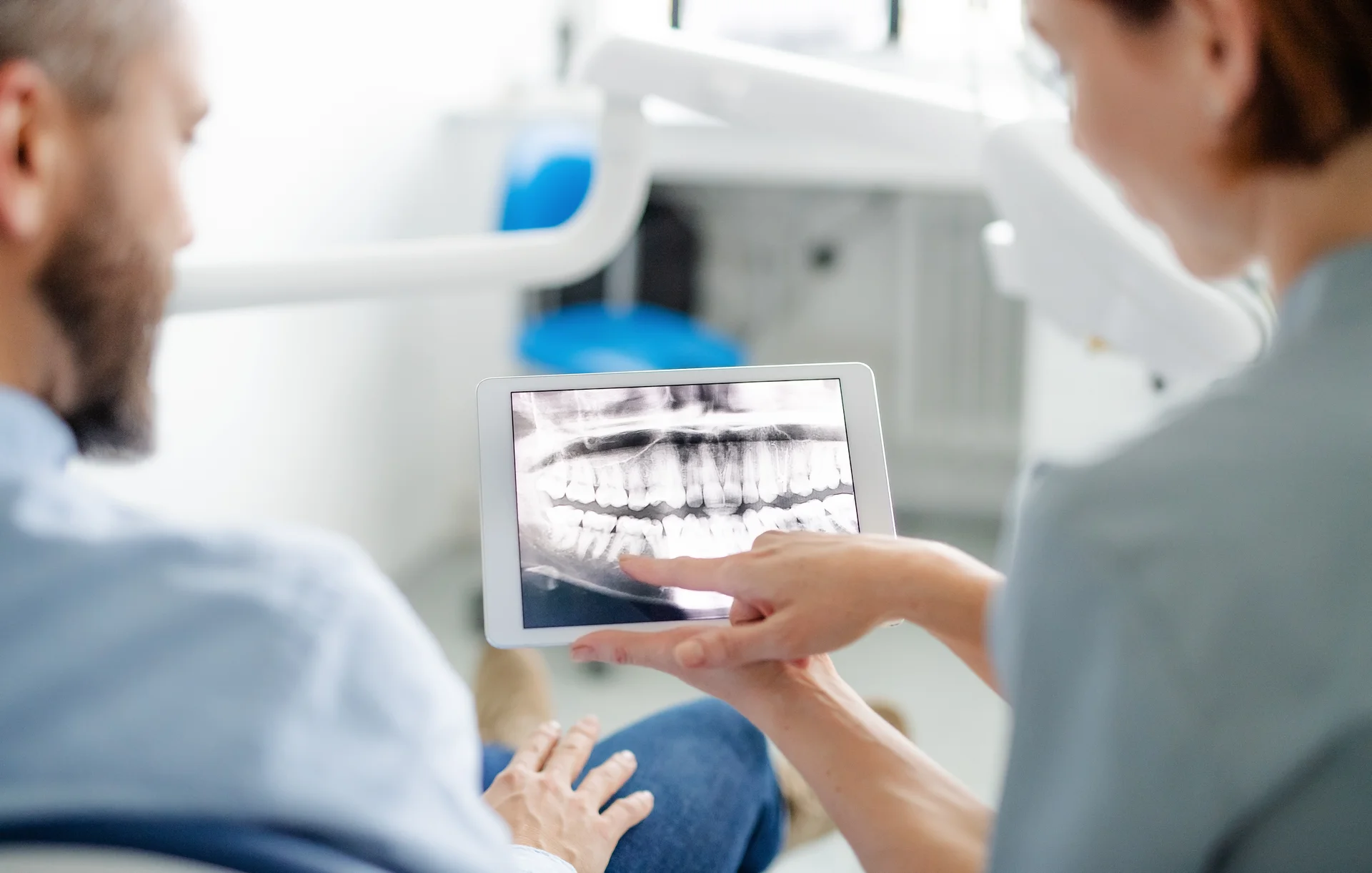
A dental implant is essentially a small post that fuses with your jawbone and acts as a tooth root. For that fusion to work, the bone needs enough volume and density to hold the implant securely. When a tooth has been missing for a while, or was lost due to gum disease or infection, the surrounding bone often shrinks. That loss happens because the jawbone no longer has a tooth root to support.
Bone grafting addresses that problem directly. Grafting material is placed in the area where bone has been lost, and over several months, your body uses it as a scaffold to rebuild. Once that process is complete, the site can support an implant the way a healthy jaw naturally would.
Sometimes a graft is placed at the same time a tooth is removed, to preserve bone before significant shrinkage occurs. Other times it is done as a separate step before dental implants are placed. Dr. Mansell will assess your specific situation and explain which approach fits.
The Benefits of Rebuilding Your Jawbone Before Implant Placement
Taking the time to graft before placing an implant is not a detour. It is the step that makes the implant worth having.
- 01
Gives the implant a stable foundation so it can fuse properly with the jaw
- 02
Reduces the risk of implant failure related to inadequate bone support
- 03
Helps preserve the natural shape of your jaw and face over time
- 04
Opens the door to implant options that may otherwise not have been possible, including single tooth implants, All-on-Four, and implant-supported dentures
What to Expect During Bone Grafting at Pinnacle Dental
For many patients, not knowing what happens is harder than the procedure itself. Here is a straightforward look at what the process involves.
The Grafting Appointment
The area is numbed with local anesthesia before anything begins. Once you are comfortable, Dr. Mansell carefully places the grafting material into the area where bone volume is low. The site is then closed and protected while healing begins. The appointment itself is typically shorter than patients expect, and Dr. Mansell walks you through each step as it happens so you always know what is going on.
Healing and What Comes Next
Healing takes time, and Dr. Mansell will be straightforward with you about that timeline. Some tenderness and mild swelling in the first few days after the procedure is normal. The grafted area generally needs several months to mature before an implant can be placed. That waiting period is not wasted time. It is what makes the implant placement more likely to succeed. At each follow-up, Dr. Mansell checks how the site is progressing and lets you know when you are ready for the next step.

Making Bone Grafting Affordable: Insurance and Financing Options
Cost is a real concern, and it is worth knowing your options before assuming this is out of reach. Pinnacle Dental accepts most major PPO dental plans, and some plans include partial coverage for bone grafting when it is part of an implant treatment plan. For costs not covered by insurance, financing through Cherry and CareCredit spreads payments into monthly amounts many patients find workable.
Visit the Insurance & Financing page for a full picture of what Pinnacle Dental accepts, or bring your questions to your consultation and the team will help you sort through the details.
FAQ: Bone Grafting for Dental Implants
How do I know if I need a bone graft before an implant?
The only way to know for certain is a consultation that includes a thorough exam and imaging. Dr. Mansell uses that information to evaluate your jawbone volume and density, then walks you through exactly what your situation looks like and what your options are. Many patients who assume they cannot get implants are surprised to learn a graft can open that door.
Does bone grafting hurt?
The procedure itself is done with local anesthesia, so you should not feel pain during the appointment. Some tenderness and swelling in the days after is normal and manageable with over-the-counter pain relievers in many cases. Dr. Mansell will go over exactly what to expect before you leave the office, so there are no surprises.
How long does it take for a bone graft to heal?
Healing timelines vary depending on the size and location of the graft and your individual health. In general, the grafted area needs several months to mature before an implant can be placed. Dr. Mansell will give you a realistic timeline at your consultation so you know what to plan for.
What does a bone graft cost in Crescent, OK?
Cost depends on the extent of grafting needed, which varies from patient to patient. Pinnacle Dental accepts most major PPO dental plans, and some plans include partial coverage for bone grafting when it is treatment-planned alongside implants. Flexible financing through Cherry and CareCredit is also available. Schedule a consultation to get a clear picture of your specific costs.
What happens if I skip the bone graft and place an implant anyway?
Placing an implant into bone that lacks the volume or density to support it significantly raises the risk of implant failure. The implant may not fuse properly with the jaw, which can lead to loosening, discomfort, and the need to remove it. A bone graft, while it adds time to the overall process, helps set the implant up to last.