
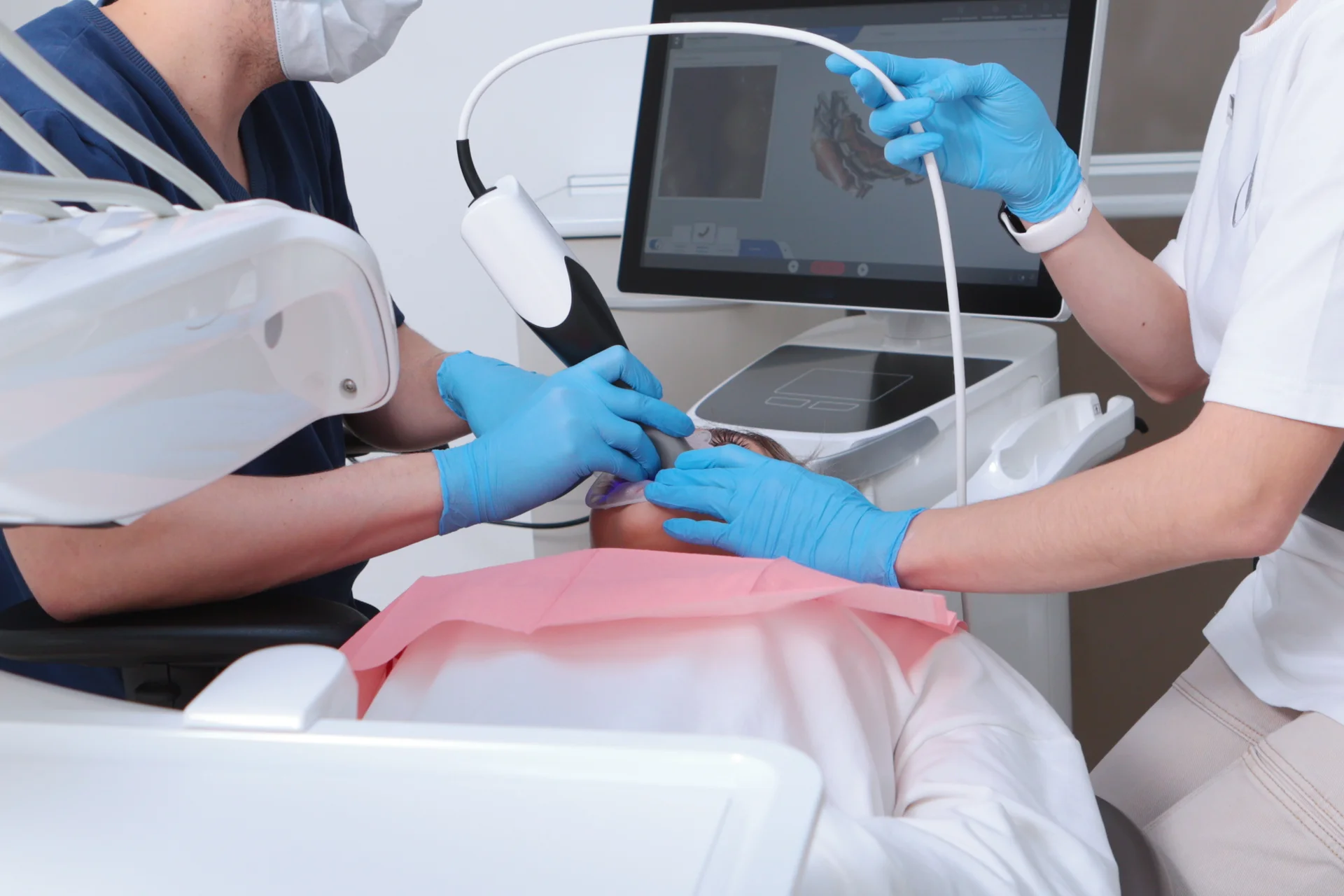
Tooth-Colored Composite Fillings in Crescent, OK
Cavities are one of the most common dental issues people deal with, and there is nothing to be embarrassed about if you have one. At Pinnacle Dental, composite fillings in Crescent are the standard way we treat decay, and we welcome patients who have put off care for any reason. We accept most major PPO plans and Children's Medicaid, and Dr. Mansell takes the time to explain exactly what he is doing so nothing feels rushed or uncertain.
Why Tooth-Colored Fillings Are the Standard at Pinnacle Dental

Older silver (amalgam) fillings did the job, but they came with trade-offs. They were visible, and the metal could expand and contract over time in ways that put stress on the surrounding tooth. Tooth-colored composite resin works differently.
Composite bonds directly to your tooth structure, which means less healthy enamel needs to be removed to place it. The material is mercury-free, and because it matches the natural shade of your tooth, most people will never notice it is there. For a cavity on a front tooth near your gum line, the result can actually make the tooth look better than it did before treatment.
Our restorative dentistry approach puts your comfort and your long-term tooth health first. Composite fillings fit that goal well.
What to Expect During Your Filling Appointment in Crescent
Most filling appointments move along smoothly and take about an hour. Here is what typically happens:
X-rays or an exam to confirm the location and size of the cavity
Numbing the area so you stay comfortable throughout
Removal of the decayed portion of the tooth
Placement and careful shaping of the composite resin
Hardening the material with a curing light in a matter of seconds
A bite check and final polish so everything feels right
Dr. Mansell explains each step before he does it. If you have questions or want a moment to catch your breath, just say so. Nobody here is going to rush you.
What Happens If a Cavity Goes Untreated
Small cavities do not stay small. Decay moves inward over time, working its way toward the nerve at the center of the tooth. Once it reaches the pulp, a simple filling is no longer enough. At that point, a root canal or even an extraction may be needed, followed by a crown or other replacement.
The good news is that catching decay early keeps things simple. A filling placed now is faster, more comfortable, and less involved than the treatment you would need later. If you have noticed tooth sensitivity, a visible dark spot, or pain when biting down, that is worth a quick look. A chipped or cracked tooth can also let bacteria in and speed up the process.

Filling Costs and How to Pay at Pinnacle Dental
Dental filling costs vary based on the size of the cavity and which tooth is being treated. We work to make care accessible for every patient.
Here is how most people at our practice cover the cost:
- Children's Medicaid accepted for eligible pediatric patients
- Most major PPO plans accepted; our team reviews your benefits upfront
- Cherry financing lets you spread payments over time
- CareCredit and Alphaeon are also available financing options
- In-house membership plan through DentalHQ for patients without insurance, with two cleanings, exams, X-rays, and 15% off other treatments per year
Visit our Insurance & Financing page for a full breakdown of your options, or call us and we will help you figure out the best path before your appointment.
Frequently Asked Questions About Dental Fillings
How long do composite fillings last?
Composite fillings typically last anywhere from five to ten years or more, depending on where the filling is placed and how well you care for your teeth at home. Fillings on back teeth that handle heavy chewing may wear faster than those on front teeth. Regular checkups help Dr. Mansell spot any early wear before it becomes a bigger problem.
Will getting a filling hurt?
Most patients are comfortable throughout the appointment. Dr. Mansell numbs the area before beginning, so you should feel pressure but not pain. If you are nervous about dental work, let us know when you call. We have options to help you relax, including nitrous oxide.
Can I eat and drink normally after a filling?
Composite fillings harden right away under a curing light, so you can generally eat and drink as soon as the numbing wears off. We recommend avoiding very hot, very cold, or very hard foods for the first day while any sensitivity settles down.
Are tooth-colored fillings covered by insurance?
Many PPO dental plans cover composite fillings, at least in part. Coverage details vary by plan, so our team will review your benefits before your appointment and walk you through what to expect. If you are uninsured, ask about our in-house membership plan, which includes discounts on treatment.
Ready to Take Care of That Cavity?
Whether you noticed something last week or have been putting it off for a while, you are in the right place. A small cavity treated now is much simpler than dealing with it later, and our team will make sure the visit feels manageable from start to finish.